




Can Lebanon Successfully Disarm Hezbollah?
The question of whether Lebanon can successfully disarm Hezbollah remains a pressing issue in the region. Hezbollah, a powerful political and military organization, has significant influence in Lebanon and beyond. In this article, we’ll explore the challenges, potential strategies, and implications of disarming Hezbollah.
Who Is Hezbollah?
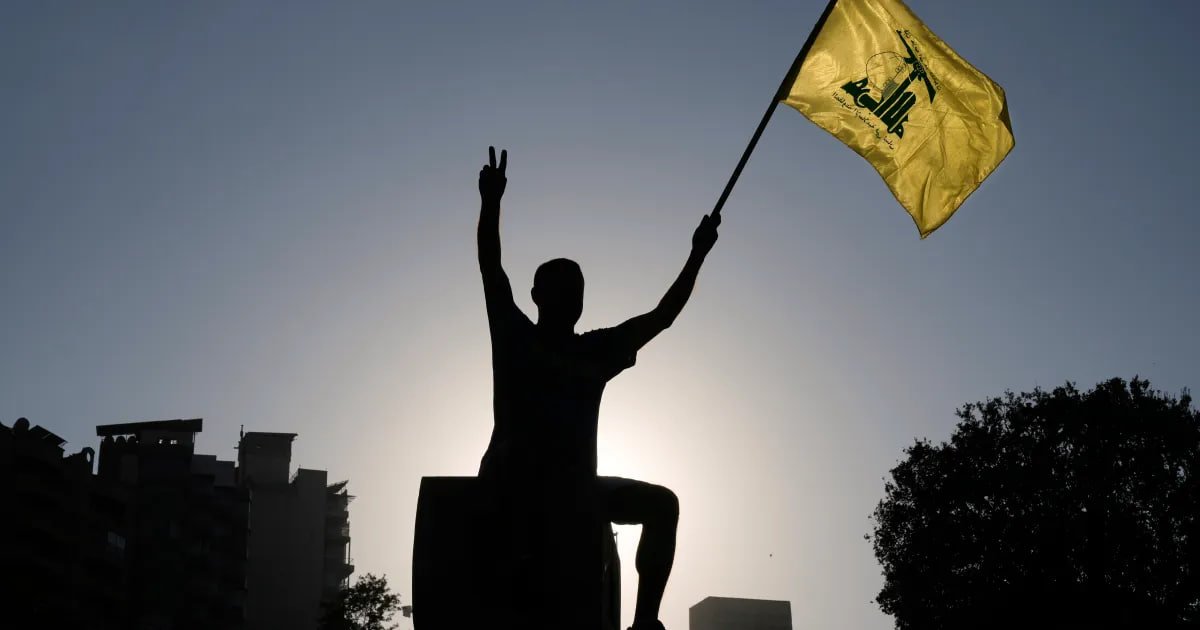
Hezbollah is a Shia Islamist group founded in the 1980s. It emerged as a resistance movement against Israeli occupation in southern Lebanon. Over the years, it has grown into a major political and military force in Lebanon.
Hezbollah operates both as a political party and an armed militia. It has a strong presence in Lebanon’s government and controls large areas of the country.
Why Disarm Hezbollah?
Disarming Hezbollah is a complex and controversial issue. First, Hezbollah’s military wing is seen as a threat to regional stability. It has been involved in conflicts with Israel and other regional players.
Second, Hezbollah’s armed presence undermines the authority of the Lebanese state. The group operates independently of the government, which weakens state sovereignty.
Third, disarming Hezbollah could pave the way for peace and stability in Lebanon and the wider region.
Challenges to Disarming Hezbollah
Disarming Hezbollah is no easy task. Several challenges stand in the way:
- Political Influence: Hezbollah is a major political player in Lebanon. It has significant support among the Shia population and holds seats in parliament.
- Military Strength: Hezbollah’s military wing is well-armed and highly trained. It has access to advanced weapons and technology.
- Regional Backing: Hezbollah receives support from Iran and Syria, which complicates efforts to disarm the group.
- Public Support: Many Lebanese see Hezbollah as a legitimate resistance movement, making disarmament unpopular in some circles.
Potential Strategies for Disarmament
Despite the challenges, there are potential strategies to disarm Hezbollah:
- Political Negotiations: Engage Hezbollah in dialogue to reach a peaceful agreement. This could involve offering political concessions in exchange for disarmament.
- International Pressure: Use diplomatic and economic pressure to encourage Hezbollah to lay down its arms.
- Strengthening State Institutions: Build up Lebanon’s military and security forces to reduce reliance on Hezbollah.
- Regional Cooperation: Work with neighboring countries and international partners to address Hezbollah’s external support.
Implications of Disarming Hezbollah
Disarming Hezbollah would have significant implications for Lebanon and the region:
- Improved Security: A disarmed Hezbollah could reduce the risk of conflict and improve security in Lebanon.
- Strengthened State Authority: Disarmament would reinforce the authority of the Lebanese government.
- Regional Stability: A peaceful Lebanon could contribute to stability in the Middle East.
However, disarmament could also lead to backlash from Hezbollah supporters and its regional allies. Careful planning and diplomacy are essential to minimize risks.
The Role of the International Community
The international community can play a key role in supporting Lebanon’s efforts to disarm Hezbollah. This includes:
- Providing Financial Aid: Support Lebanon’s economy and state institutions to reduce reliance on Hezbollah.
- Diplomatic Engagement: Encourage dialogue between Lebanon, Hezbollah, and regional players.
- Security Assistance: Help Lebanon build a strong and independent military.
Conclusion
The question of whether Lebanon can successfully disarm Hezbollah is complex and multifaceted. While there are significant challenges, potential strategies and international support offer a path forward.
Disarming Hezbollah could bring peace and stability to Lebanon and the wider region. However, it requires careful planning, diplomacy, and cooperation. The road ahead is difficult, but the potential benefits make it a goal worth pursuing.